
How to Trim Your Cat's Nails (Without a Fight)
, by My Furry Fren Editorial Team, 7 min reading time
, by My Furry Fren Editorial Team, 7 min reading time
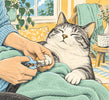
Trimming a cat’s nails does not have to be a wrestling match. With the right tools, a calm setting, and a little patient conditioning, most cats learn to tolerate — and some even enjoy — a quick nail trim. Here is a step-by-step, low-stress approach that protects your furniture, your skin, and your cat’s trust in you.
Overgrown nails can curl into the paw pad and cause pain, catch on carpet and rugs, and lead to snags or injuries. Regular trims keep your cat comfortable and protect your home. They also make it easier to notice problems like split nails, swelling, or infection around the claw.
Indoor cats often need trims more than outdoor cats, because they have fewer natural surfaces to wear their nails down. Senior cats and cats with arthritis may also need extra help, since they cannot always maintain their nails themselves.
Avoid human nail clippers, which can crush or split a cat’s nail.
Choose a time when your cat is relaxed, never right after a startling event. Work in a quiet room with no other pets competing for attention. Let your cat sit in your lap or on a stable surface at a comfortable height, and keep sessions short at first.
Many cats do better when they are a little sleepy, so a calm moment after a meal often works well. Avoid trimming right after play or a vet visit, when your cat is already wound up. If your cat is nervous by nature, start with just one paw and build up over several days.
Before you ever clip, get your cat used to having their paws touched. For a few days:
If your cat pulls away, stop and try again later. Slow wins the race.
Work calmly and steadily. If at any point your cat starts to struggle, stop for the day and pick up where you left off tomorrow. Cats remember bad experiences, so keeping the mood positive matters more than finishing quickly.
The quick contains nerves and blood vessels. Cutting into it is painful and bleeds. Trim small slivers and check after each cut, especially on dark nails where the quick is hard to see. If you do nick the quick, stay calm, apply styptic powder or pressure with a clean cloth, and give your cat a break. If bleeding does not stop, call your vet.
Most cats need a trim every two to four weeks. Check the nails weekly: if you can hear them clicking on hard floors, they are due. Older cats, indoor cats, and cats with certain health conditions may need more frequent attention.
Cats have a dewclaw on the inside of each front leg, higher up than the other nails. These claws do not touch the ground and can grow in a full circle if left unattended, sometimes curling into the skin. Do not forget them during your trim session — they are easy to miss and one of the most common causes of ingrown-nail pain.
Never scruff, pin, or punish a cat for resisting — that erodes trust and makes the next trim harder.
For a squirmy cat, a second set of hands is a game-changer. One person holds the cat gently against their body, supporting the chest and letting the front paws hang free, while the other person trims. Keep the mood calm and quiet, pause if the cat struggles, and treat generously between paws. Never restrain a cat by the scruff or hold them on their back unless a professional has shown you how.
The secret to a cat who tolerates nail trims is pairing the process with good things. Touch a paw, reward. Clip one nail, reward. End on a high note before your cat gets frustrated, even if you only finished one paw. Over time, your cat learns that the clippers predict treats, not a fight — and trims get steadily easier.
A dull blade crushes the nail instead of slicing it cleanly, which is both painful and more likely to split. Replace or sharpen your clippers as needed, and wipe the blade between cats if you have more than one. Good tools make the entire process faster and safer, so it is worth keeping a spare pair on hand.
See your vet if a nail is torn, split, bleeding, or ingrown into the pad; if you notice swelling, redness, pus, or a foul smell; if your cat limps; or if a nail is broken below the quick. These can be painful and may need professional care. Also ask for help if your cat becomes distressed the moment you touch their paws.
Can I use human clippers on my cat? No. They can crack and splinter the nail. Use clippers made for cats.
My cat hates having paws touched. What now? Go slower and pair every touch with a treat. Conditioning can take days or weeks.
How do I find the quick on black nails? Trim only tiny slivers and watch for a grey-to-pink change in the cut surface.
What if my cat screams? Stop, give space, and try again later or ask a professional. Distress is a sign to slow down, not push through.
What if I only get one nail done today? That is a win. Short, positive sessions build trust faster than one long battle.
Trimming your cat’s nails is a simple skill that gets easier with patience and treats. Use the right tools, go slowly, and never force it. A few calm minutes every couple of weeks keeps your cat comfortable and your home intact — and preserves your cat’s trust for the next time.


